

Introduction: A Medieval Time Capsule Just Waiting to Be Explored
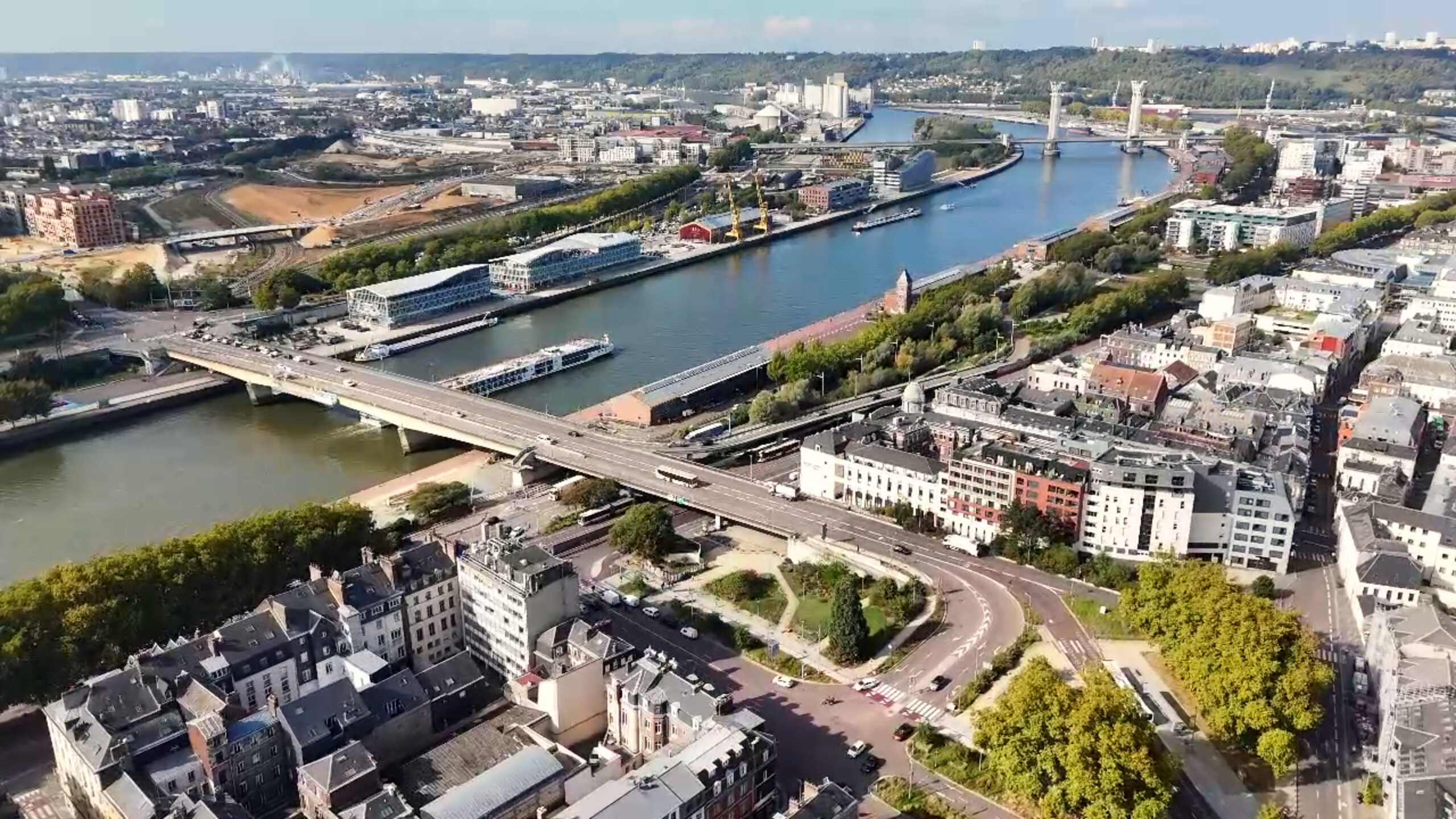
When most travelers think of France, Paris immediately comes to mind. But what if I told you there’s a medieval city just one hour from Le Havre that offers all the charm, history, and gastronomy of the capital – without the crowds and at a fraction of the cost? Welcome to Rouen, the historic capital of Normandy, a city that genuinely surprised me more than Paris ever did.
Rouen isn’t just another pretty French town. This is where European history was literally written, where Joan of Arc met her fate, and where Gothic architecture reaches breathtaking heights. Yet somehow, this incredible destination remains largely overlooked by international tourists. After spending a day exploring its cobblestone streets and sampling its world-class cuisine, I understand why locals want to keep this secret to themselves.
Getting to Rouen: Easier Than You Think
One of Rouen’s biggest advantages is its accessibility. Located just a one-hour train ride from Le Havre, this medieval capital is perfectly positioned for travelers exploring Normandy. The train journey itself is scenic, winding through the Norman countryside before delivering you directly into the heart of this historic city.
For those staying in Paris, Rouen is equally accessible, making it an ideal day trip for travelers wanting to experience authentic medieval France without venturing too far from the capital. The city’s compact size means you can explore its major attractions on foot, making it perfect for a leisurely day of discovery.
Stepping Into Medieval France: Rouen’s Architectural Wonders
The Magnificent Cathédrale Notre-Dame de Rouen
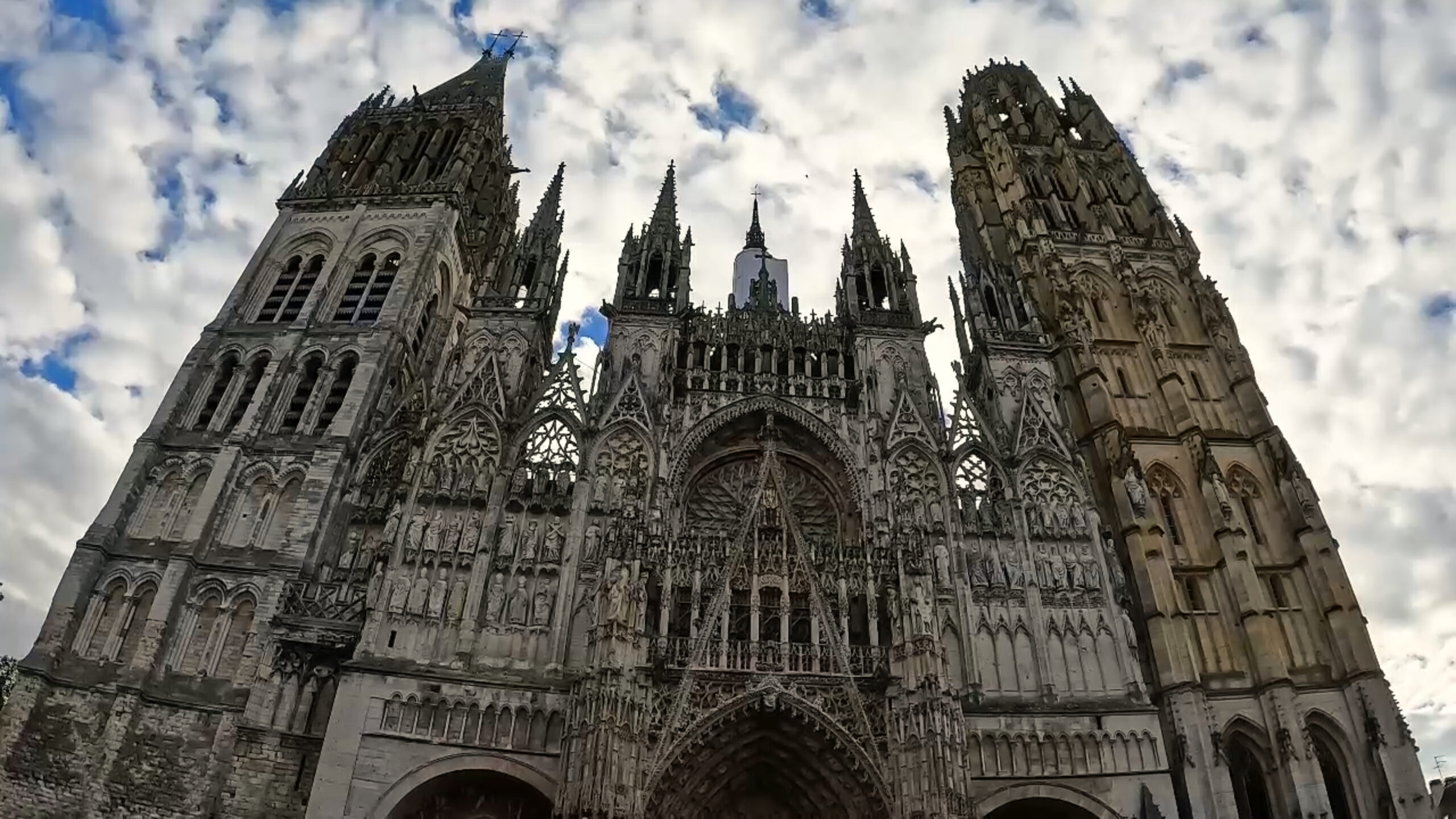
The crown jewel of Rouen is undoubtedly its stunning Gothic cathedral, officially known as Cathédrale Notre-Dame de Rouen. This architectural masterpiece took over 800 years to complete, and every stone tells a story of medieval craftsmanship and devotion.
What makes this cathedral truly special isn’t just its soaring spires or intricate stonework – it’s the way it captures and holds light throughout the day. The famous Impressionist painter Claude Monet was so captivated by this phenomenon that he painted the cathedral’s facade over 30 times, each capturing a different moment of light and shadow.
Standing before this Gothic giant, you can understand Monet’s obsession. The cathedral seems to glow from within, its honey-colored stone warming in the afternoon sun. The level of detail in the carved facades is breathtaking – every arch, every spire, every decorative element speaks to the incredible skill of medieval artisans who worked for generations to create this masterpiece.
The Gros-Horloge: Europe’s Largest Astronomical Clock
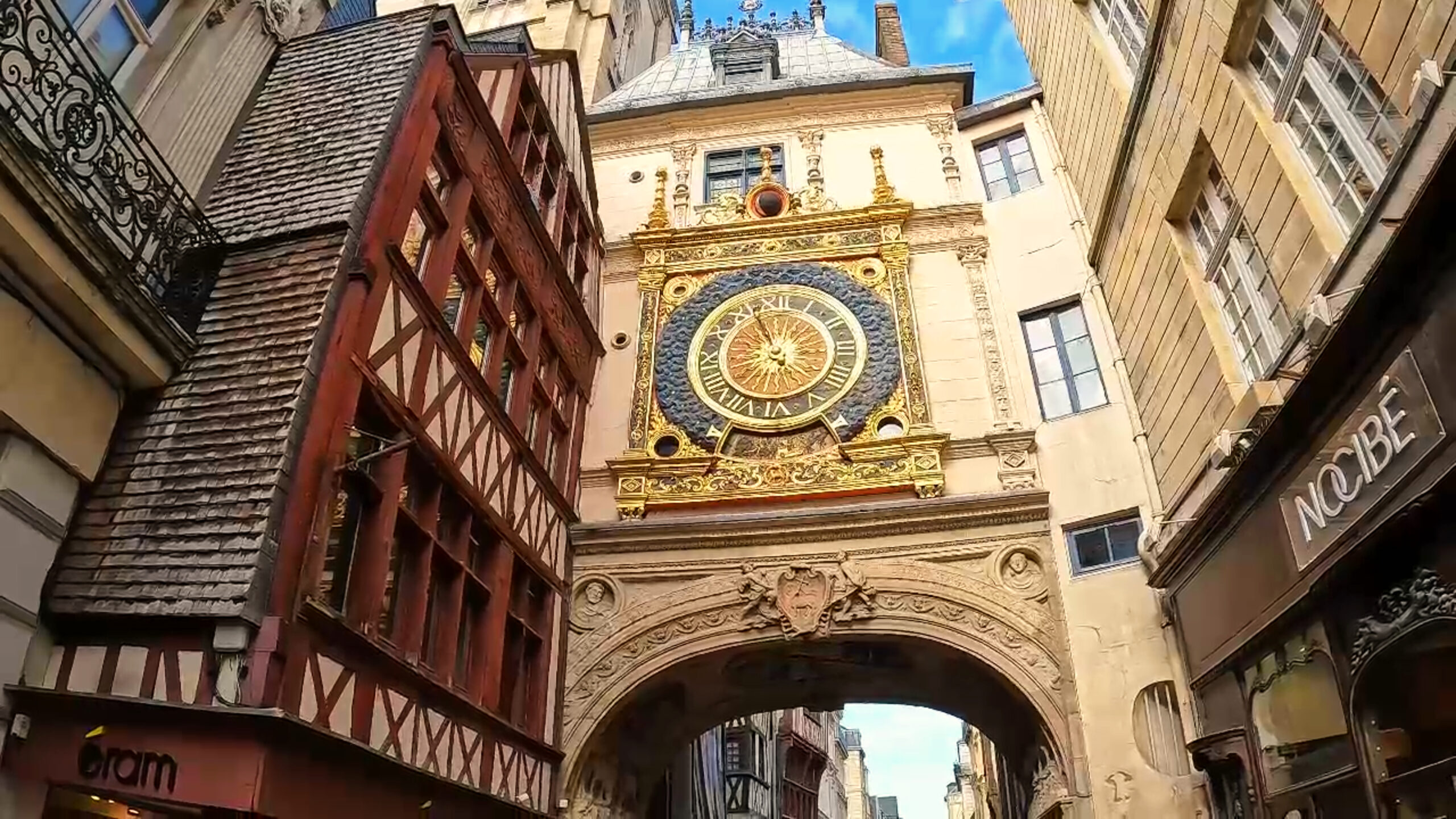
Just a short walk from the cathedral, you’ll discover one of Rouen’s most fascinating attractions: the Gros-Horloge, Europe’s largest astronomical clock. This mechanical marvel has been keeping time since 1389, making it one of the oldest working clocks in the world.
The clock isn’t just a timepiece – it’s a work of art and engineering that displays the phases of the moon, the days of the week, and various astronomical information. The ornate Renaissance archway that houses the clock creates a stunning frame for this medieval masterpiece, and you can actually climb the tower for panoramic views over Rouen’s red-tiled rooftops.
Timber-Framed Houses: Living Medieval Architecture
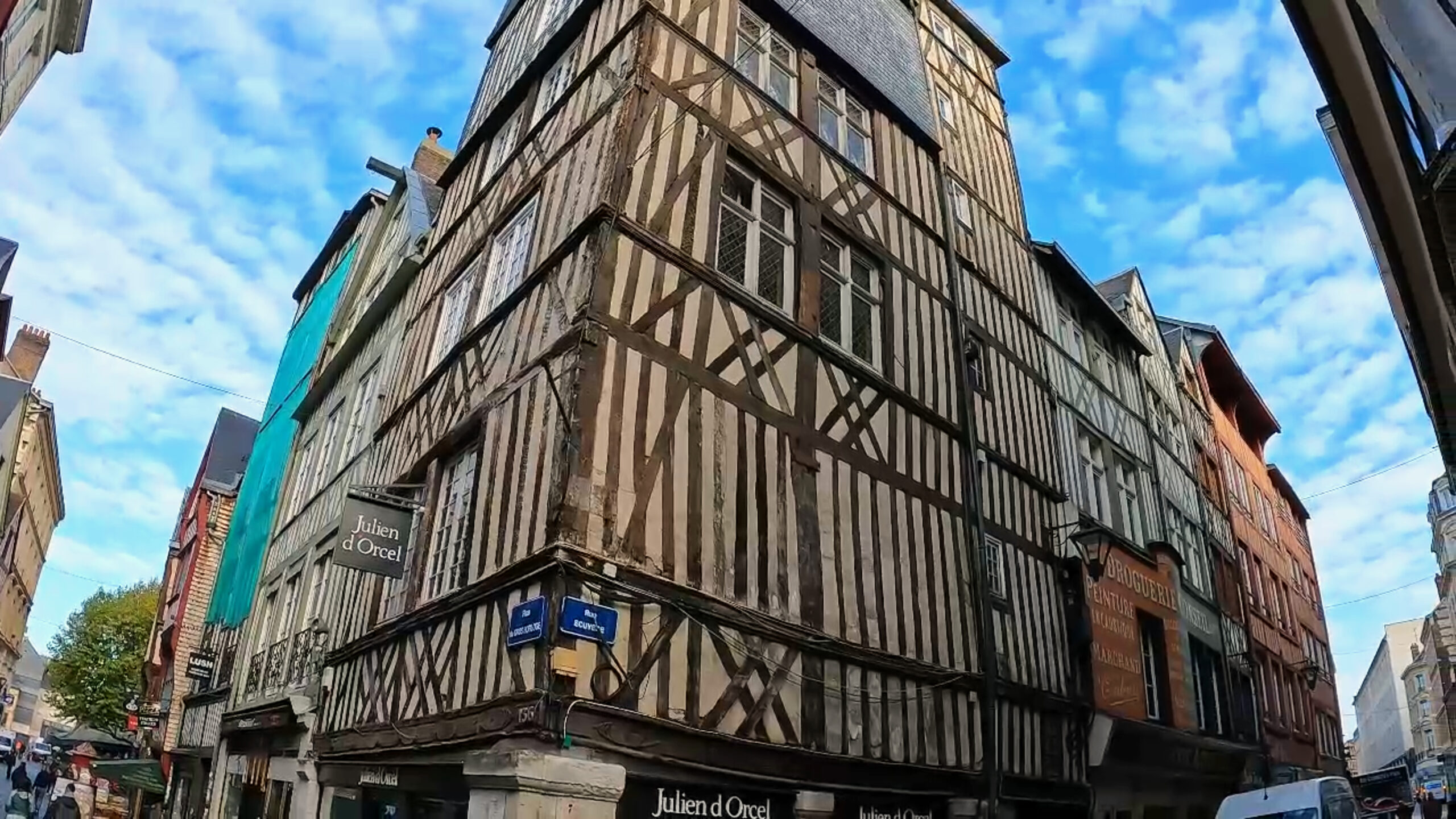
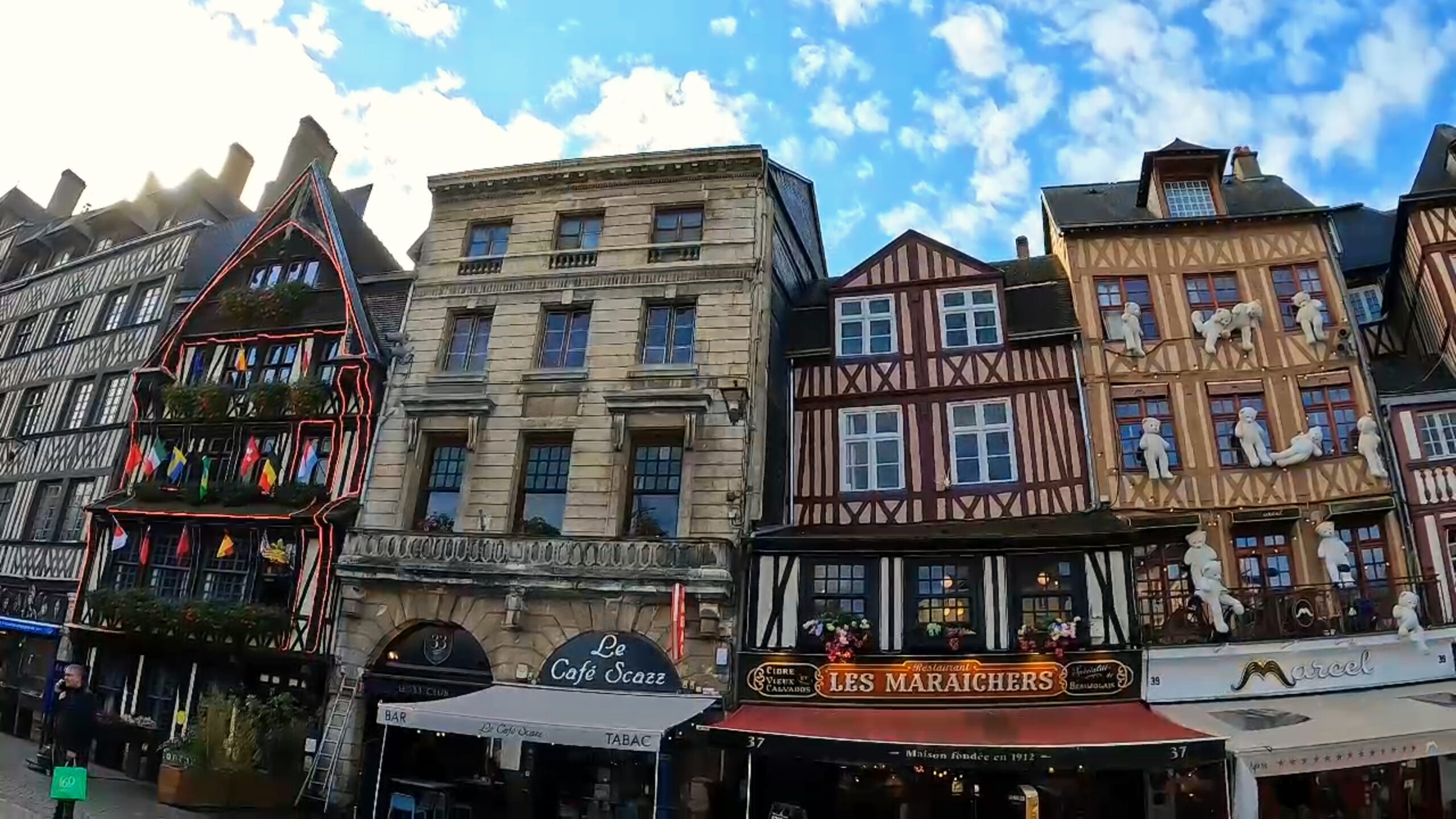
One of Rouen’s most charming features is its incredibly well-preserved collection of timber-framed houses. These medieval buildings, with their distinctive half-timbered construction and overhanging upper floors, line the narrow cobblestone streets and create an atmosphere that feels like stepping directly into a medieval painting.
These aren’t museum pieces – they’re living, breathing parts of the city where people still live and work. Many house charming cafés, boutiques, and restaurants, allowing you to experience medieval architecture while enjoying modern comforts. The contrast between the ancient timber beams and contemporary shop windows creates a uniquely French blend of old and new.
Joan of Arc: Where History Changed Forever
Place du Vieux-Marché: A Site of Historical Significance
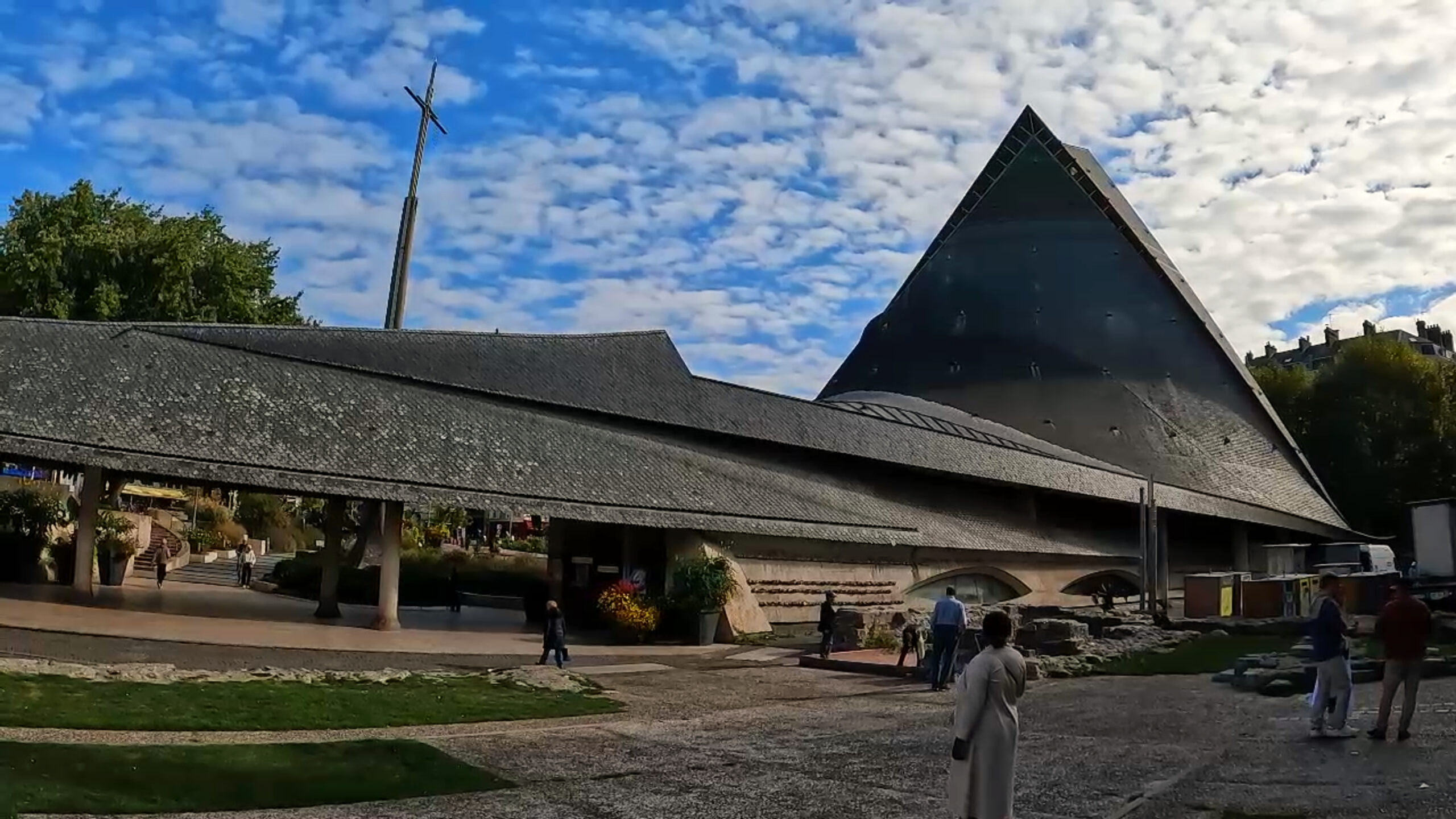
Perhaps no location in Rouen carries more historical weight than Place du Vieux-Marché, the Old Market Square. This is where Joan of Arc, the teenage peasant girl who claimed divine visions and helped crown a king, met her tragic end in 1431. Standing in this square, you’re literally walking where one of history’s most dramatic moments unfolded.
The square today is a blend of medieval charm and modern remembrance. The timber-framed buildings that surround it house restaurants and shops, while the center of the square is marked by a striking modern church built in Joan’s honor.
The Modern Church of Saint Joan of Arc
The contemporary Church of Saint Joan of Arc, built on the exact spot where Joan was executed, is an architectural marvel in its own right. Its sweeping, flame-like design is meant to evoke the fire that claimed Joan’s life, while also reaching toward heaven in a gesture of redemption and remembrance.
Inside, the church houses stunning 16th-century stained glass windows that survived the bombing of World War II. The contrast between the ultra-modern architecture and the ancient glass creates a powerful meditation on history, faith, and the passage of time.
UNESCO City of Gastronomy: A Culinary Adventure
Rouen’s designation as a UNESCO City of Gastronomy isn’t just a title – it’s a promise of exceptional dining experiences. The city’s culinary scene reflects its Norman heritage, with an emphasis on fresh seafood, local produce, and traditional French techniques.
Local Specialties You Must Try
During my visit, I had the pleasure of sampling several local dishes that showcase Rouen’s gastronomic excellence. The warm goat cheese salad was a perfect introduction to Norman dairy traditions, featuring creamy local cheese paired with fresh greens and a light vinaigrette.
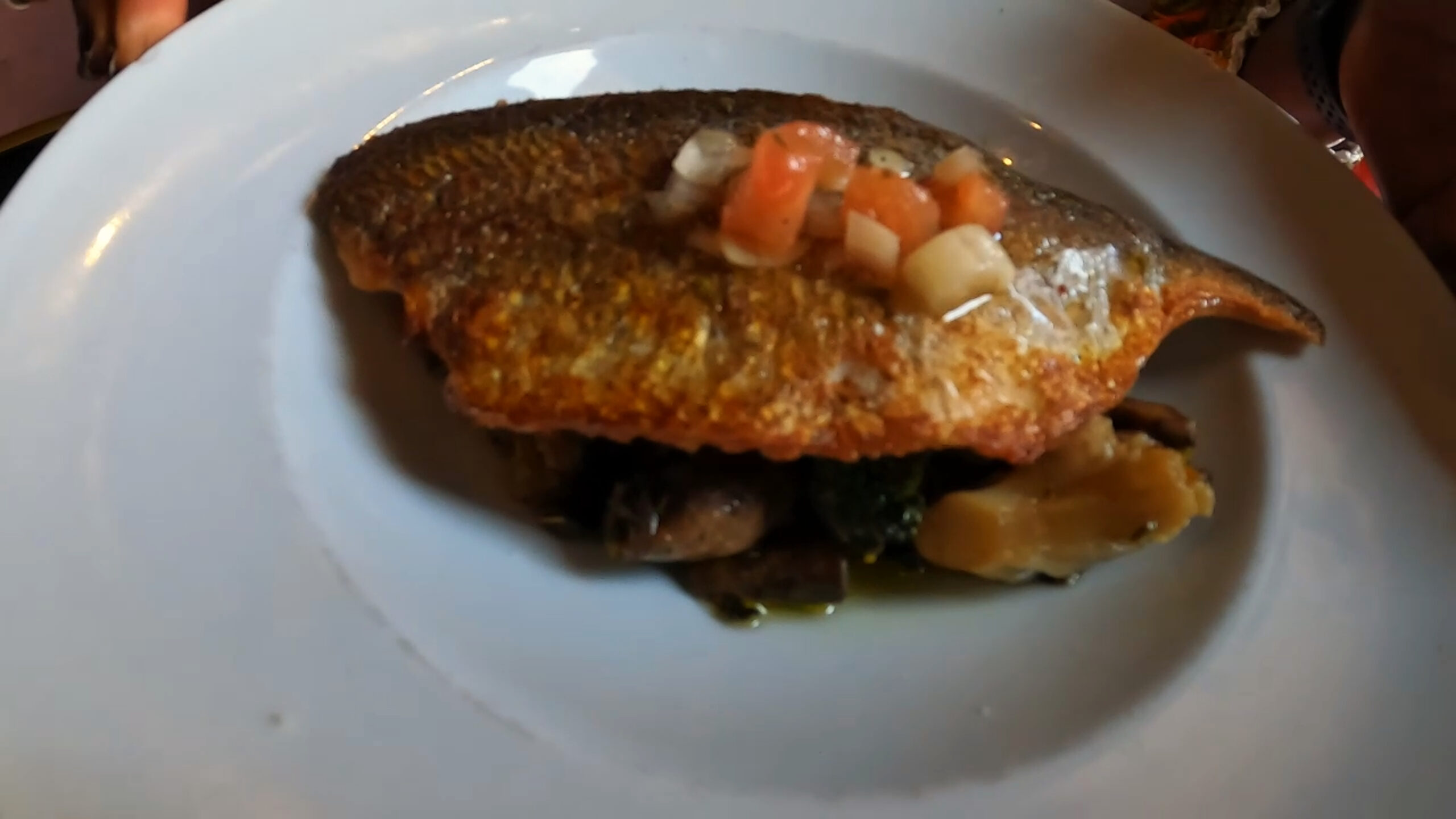
The sea bream, prepared with classic French techniques, demonstrated the city’s access to fresh Atlantic seafood. Each dish was prepared with the kind of attention to detail and respect for ingredients that has made French cuisine legendary worldwide.
Dining Tips for Visitors
One important note for travelers: many restaurants in Rouen are closed on Sundays and Mondays, so plan your culinary adventures accordingly. This is actually a charming aspect of French dining culture – restaurants close to give their staff proper rest, ensuring that when they are open, you receive the full attention and care of well-rested chefs and servers.
The city offers dining options for every budget, from casual bistros serving traditional Norman fare to upscale restaurants that showcase innovative takes on regional cuisine. The key is to embrace the French approach to dining: take your time, savor each course, and enjoy the experience as much as the food.
Practical Travel Tips for Visiting Rouen
Best Time to Visit
Rouen is beautiful year-round, but spring through early fall offers the most pleasant weather for walking the cobblestone streets. Summer brings longer days perfect for exploring, while autumn adds a romantic mist to the medieval atmosphere.
Getting Around the City
Rouen’s historic center is compact and best explored on foot. The cobblestone streets aren’t ideal for wheeled luggage, so pack light if you’re planning to walk directly from the train station to your accommodation.
What to Bring
Comfortable walking shoes are essential – those medieval cobblestones are charming but can be challenging for modern feet. A good camera is also a must, as Rouen offers countless photo opportunities around every corner.
Why Rouen Deserves a Spot on Your France Itinerary
Authentic French Experience
Unlike Paris, where tourist areas can feel somewhat artificial, Rouen offers an authentic glimpse into French life. You’ll hear more French than English on the streets, dine alongside locals rather than tour groups, and experience a pace of life that feels genuinely French rather than performatively touristic.
Incredible Value
The cost of dining, accommodation, and attractions in Rouen is significantly lower than in Paris, allowing you to experience high-quality French culture and cuisine without the premium prices of the capital.
Rich Historical Significance
Few cities can match Rouen’s historical importance. This is where the Hundred Years’ War reached its climax, where Gothic architecture flourished, and where the story of Joan of Arc reached its tragic conclusion. Walking through Rouen is like taking a masterclass in European history.
Perfect Base for Normandy Exploration
Rouen’s central location makes it an ideal base for exploring the broader Normandy region. From here, you can easily visit the D-Day beaches, the stunning coastal town of Honfleur, or the dramatic cliffs of Étretat.
Conclusion: A Medieval Gem Waiting to Be Discovered
Rouen surprised me in ways that Paris never could. While the capital certainly has its charms, there’s something special about discovering a place that feels like a well-kept secret. The combination of stunning medieval architecture, world-class cuisine, and genuine French atmosphere makes Rouen a destination that deserves serious consideration from any traveler to France.
The city offers everything you hope to find in France – history, beauty, incredible food, and that indefinable French joie de vivre – but without the crowds and commercialization that can sometimes diminish the experience in more famous destinations.
Whether you’re a history buff fascinated by Joan of Arc’s story, an architecture enthusiast drawn to Gothic masterpieces, a foodie eager to explore UNESCO-recognized gastronomy, or simply a traveler looking for authentic French experiences, Rouen delivers on all counts.
Don’t let this medieval gem remain a secret much longer. Add Rouen to your France itinerary, and prepare to be surprised by a city that proves the best travel experiences often come from the places you least expect.
Planning Your Visit to Rouen:
•Getting There: One-hour train from Le Havre, 1.5 hours from Paris
•Best For: History lovers, architecture enthusiasts, food lovers, authentic French experiences
•Duration: Perfect for a day trip, but consider staying overnight to fully experience the evening atmosphere
•Don’t Miss: Cathédrale Notre-Dame, Gros-Horloge, Place du Vieux-Marché, local Norman cuisine
Have you visited Rouen? Share your experiences in the comments below, or let us know if this medieval capital is now on your France travel list!
Watch the Full Video
Experience Rouen for yourself.


